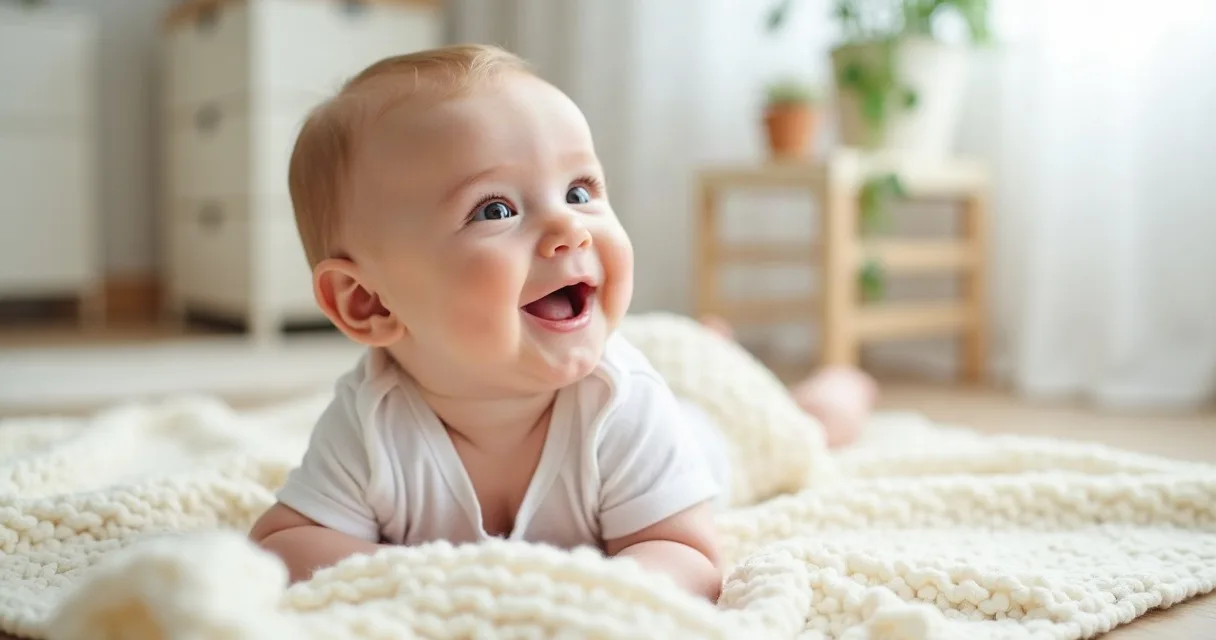

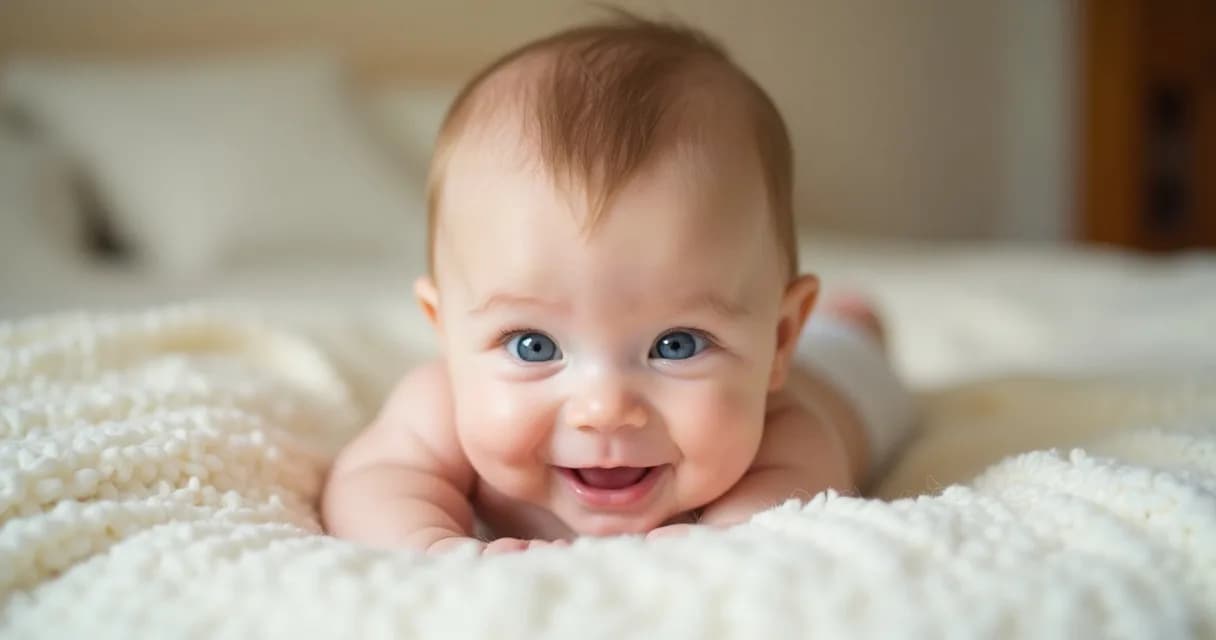
Babies' eyes change color mostly between 6 and 12 months, as melanin builds up in the iris. Many babies have their lasting color by their first birthday, and subtle changes can continue until around age 3. Eyes usually get darker, not lighter: blue can turn green, hazel or brown, but brown rarely turns blue.
When do babies' eyes change color? If your newborn has blue or slate-gray eyes, you've probably been asked "Will they stay blue?" more than once. The honest answer is: maybe. Most of the change happens in the second half of the first year, and the final color can take until about age 3 to settle.
This guide explains the timeline month by month, why baby eyes change, which colors are likely to stay, how genetics plays a part and when an eye color change is worth a call to your pediatrician.
When Do Babies' Eyes Change Color? The Timeline
| Age | What usually happens |
|---|---|
| Birth | Blue, gray or brown; many lighter-skinned babies start blue or gray |
| 0–3 months | Little visible change; eyes can look different in different light |
| 3–6 months | First hints of green, hazel or brown flecks in some babies |
| 6–9 months | The biggest changes for many babies |
| 9–12 months | Color often looks close to final |
| 1–3 years | Subtle shifts, especially for green and hazel eyes |
Babies with darker-skinned ancestry are usually born with brown eyes that stay brown, though the shade may deepen.
Why Baby Eyes Change Color
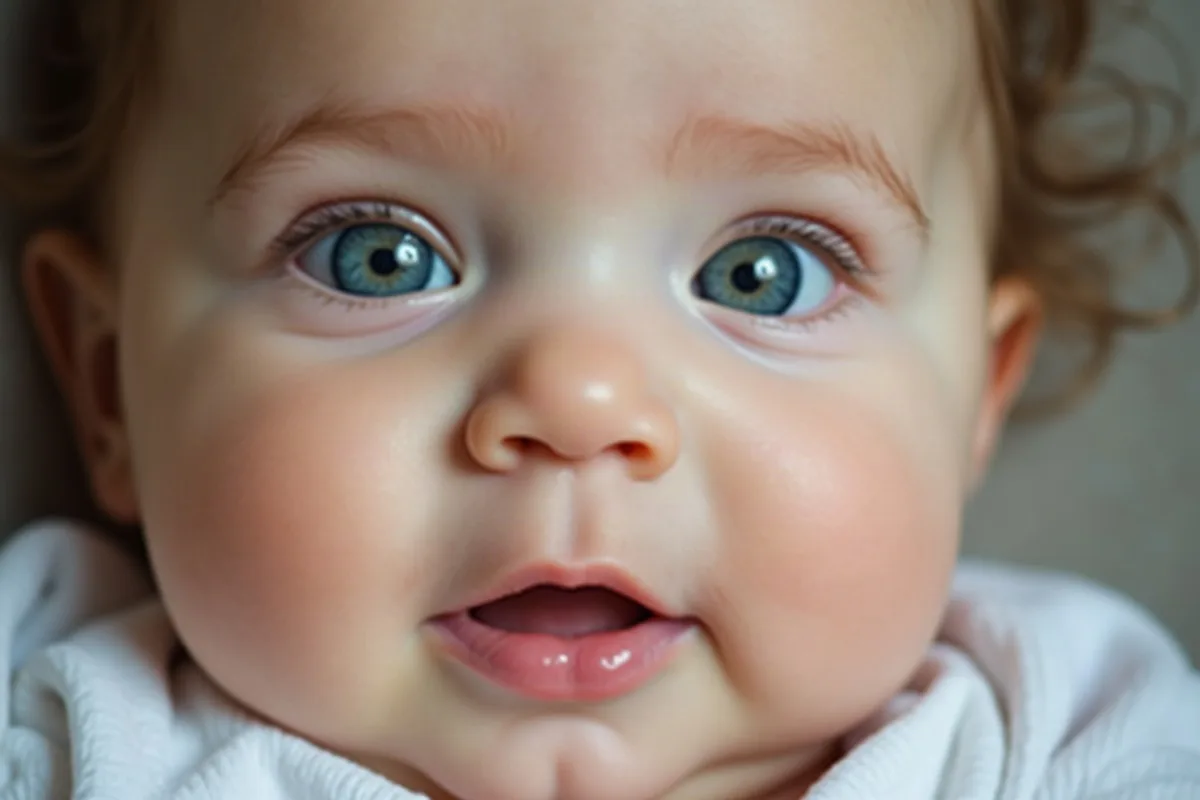
The color you see in the iris comes mostly from melanin, the same pigment that colors skin and hair. At birth, many babies have very little melanin in the front of the iris. Light scatters through the iris tissue, which makes the eyes look blue or gray, a bit like the sky looks blue.
Over the first months, cells called melanocytes produce more melanin. A little extra melanin makes eyes look green or hazel; a lot makes them brown. Because melanin builds up and doesn't go away, baby eyes tend to get darker over time, not lighter.
Which Colors Are Likely to Stay?
| Color at birth | What it often becomes |
|---|---|
| Dark brown | Stays brown |
| Light brown | Stays brown or deepens |
| Gray | Blue, green, hazel or brown |
| Blue | Stays blue, or turns green, hazel or brown |
| Blue with flecks of gold or green | Often hazel or green |
A good clue around 6 months: look at your baby's eyes in daylight near a window. Flecks of brown, gold or green near the pupil often hint at a darker final color.
Eye Color Genetics, Simply Explained
You may have learned in school that brown is dominant and blue is recessive. The real picture is more complex: eye color depends on several genes working together, with two genes on chromosome 15 (OCA2 and HERC2) playing a big part.
What this means for parents:
- Two brown-eyed parents can have a blue-eyed baby if both carry variants for lighter eyes.
- Two blue-eyed parents usually have blue-eyed babies, but green or even brown is possible.
- Grandparents' eye colors help estimate the odds, because they show which variants might be hiding.
Want a fun estimate? Our free baby eye color predictor shows the chances of brown, green or blue based on both parents' colors, with an option to add the grandparents. For a fuller picture, our baby hair color predictor and baby genetics calculators use the same kind of family input.
Take one close-up of your baby's eyes on the first day of every month, in the same window light. By their first birthday you'll have a lovely set that shows the color changing, and a great extra for your monthly milestone photos.
How to Photograph Your Baby's Eye Color
Eye color is easy to get wrong in photos. Indoor bulbs turn blue eyes gray and brown eyes black.
- Use daylight from a window, facing your baby toward the light.
- Turn off overhead lights, which add a yellow cast.
- Tap to focus on the eyes and lower the exposure slightly so the color doesn't wash out.
- Skip the flash, which can cause red-eye or tiny reflections that hide the iris.
Our guide to baby photo lighting goes deeper, and our monthly baby milestone photo ideas show how to make a consistent first-year set. If your favorite photos came out soft or dark, Baby AI Photoshoot can turn a few everyday phone photos into sharp, studio-style portraits in about two minutes each.
Turn everyday photos into studio portraits
Upload a few phone photos of your baby and get studio-style portraits in minutes.
Create your photoshootEye Color Myths
- "All babies are born with blue eyes." Not true. Many babies, especially those with darker-skinned ancestry, are born with brown eyes.
- "Eye color is set at six months." Many babies' eyes look close to final by then, but changes can continue for years.
- "Two blue-eyed parents can't have a brown-eyed child." Unlikely, but possible, because several genes are involved.
- "Gray eyes always turn blue." Gray can become blue, green, hazel or brown.
When to Talk to Your Pediatrician
Most eye color changes are normal. Mention it to your pediatrician if you notice:
- Two different colors in each eye, or a patch of a different color in one iris (heterochromia). It is often harmless but worth checking.
- A white, gray or cloudy pupil, especially in flash photos where one eye glows white instead of red.
- A sudden change in eye color after the toddler years.
- Eyes that wander, cross or don't follow faces after about 4 months.
These signs don't always mean a problem, but early eye checks matter.
Patience Pays Off
When do babies' eyes change color? Usually between 6 and 12 months, with the final shade often clear by your baby's first birthday and fully settled by about age 3. Until then, enjoy the guessing game. If your baby is still in the newborn weeks, our newborn photos guide explains which shots to take now, before those eyes start to change.